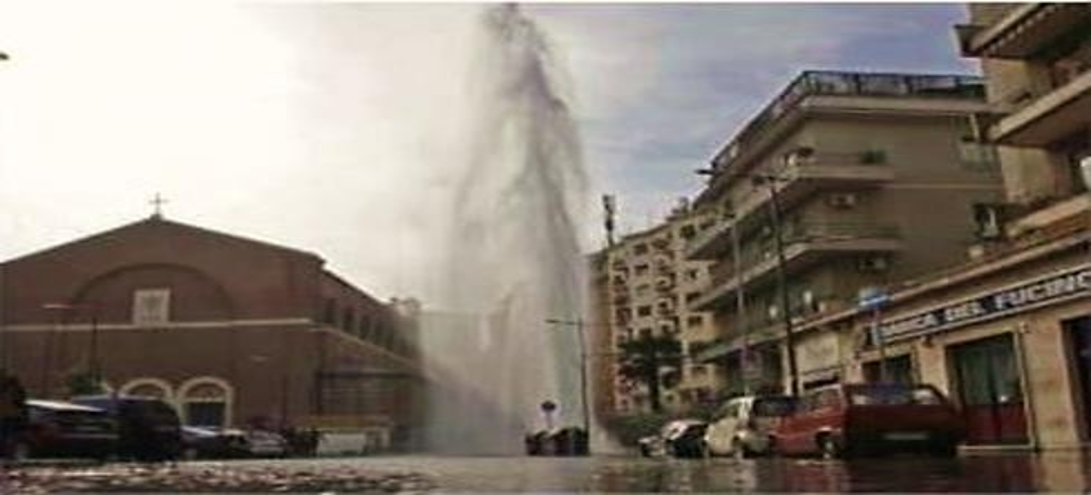
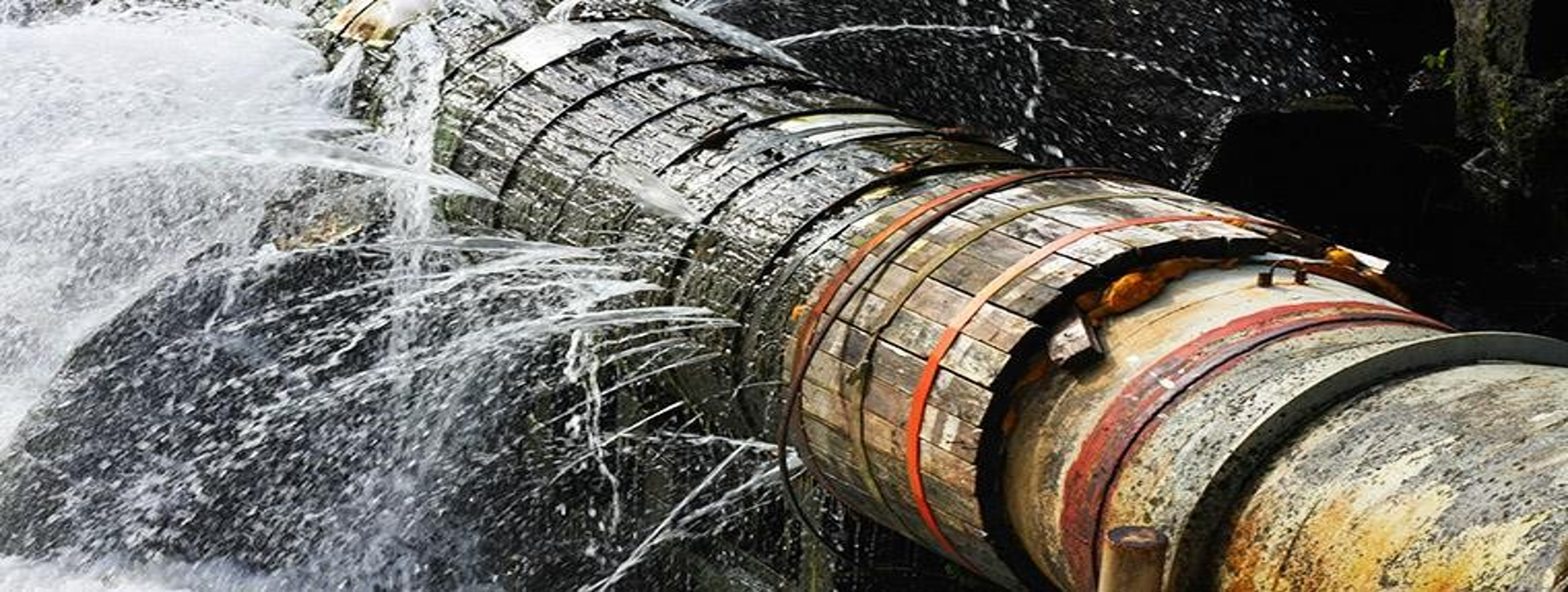
Water leaks are a major problem for pipeline operators
because it causes:
- Waste (a hole with a diameter of only 10 mm, at a pressure of 3 bar, generates an annual loss of 52,580 m3 of water);
- Extensive damage to public property;
- Threat to the safety of the population.
After a preliminary phase, which involves managing pressure with the
Districting of the networks, we move on:
- Division of the “complex” network into “elementary” zones and recorded monitoring of the “micro” areas and/or portions of the network. The activity consists of the installation of data loggers for the identification of any noise attributable to water leaks. The analysis is carried out during the period of least stress on the network, i.e. between 2:00 and 4:00. The data loggers are applicable to all materials used in the piping system (steel, cast iron, PE, cement, etc.).
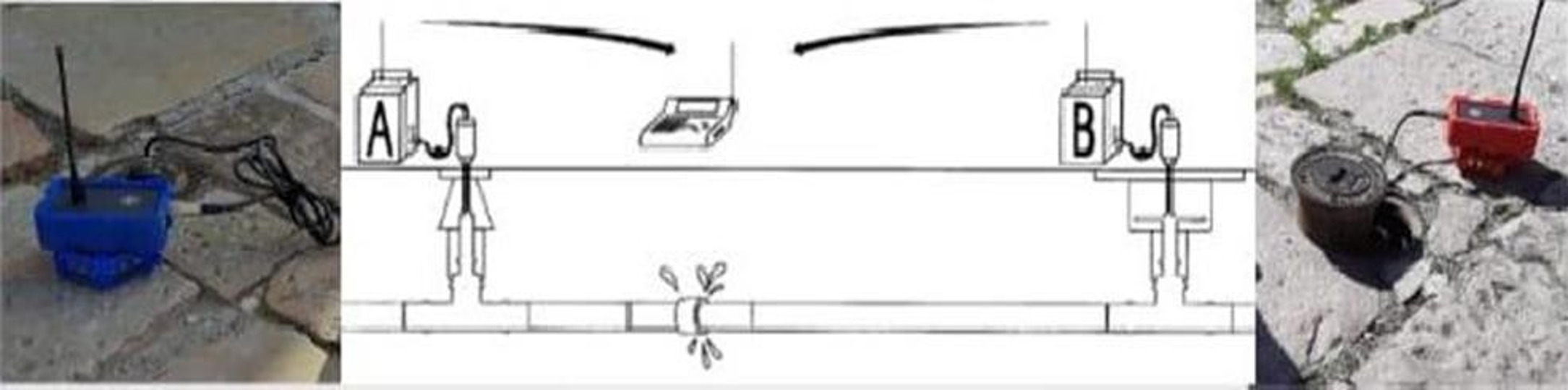
- Investigation of the areas with correlator and mobile notebook. The correlation identifies possible leaks in the portion of the area under control.
- Timely leak detection. In this phase, the operator goes to the site, through the use of a high-sensitivity vibrophone, measures the vibrations propagated in fittings, hydrants or connections, and carries out phonometric measurements in the soil in order to precisely circumscribe the area of the leak point.
ESA is committed to ensuring efficiency and reliability in the search for water leaks, ensuring that operators operate in complete serenity and that the waste of resources is definitively stopped.
|
|
 |
 |
 |